
| Home |
| News |
| Blog |
| Films |
| Poetry |
| Drama |
| Music |
| Articles |
| Books |
| Video Clips |
| Links |
| Newsletter |
| Contact |
Films For Religious Education
The films listed here deal with a variety of religious themes and may be of use in the RE classroom. Themes are indicated and in many cases helpful clips are suggested. In fact using clips may be a lot more effective in education than showing whole films, which take up several classes, dissipating the impact. Also, some of the films may not in their entirety be very appropriate, but may contain some clips that will illustrate a point nicely.
See also the film blog for other reviews and the articles page for study guides to some of these films.
|
Amazing
Grace (2007) |
The
Execution of Private Slovik (1974)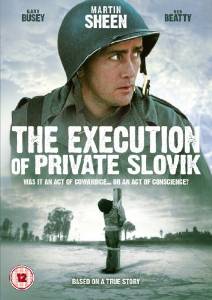 I saw this film many years ago and it made a lasting impact. It's
the true story of Eddie Slovik (played superbly by Martin Sheen) the
only American soldier to be executed since the Civil War - he was
shot for desertion in World War Two. It is simple basic and hard hitting,
and as moving as when it was first made. It is not in the least heavy
handed in it's message, and some viewers may even find Slovik a somewhat
unsympathetic character. Two scenes in particular are useful for class
- around the middle of the film the chaplain talks to the firing squad
about the morality of it all, and towards the end there is Slovik's
final experience of the Sacrament of Reconciliation. He prays on the
way to execution, but this scene is tough going and may not be suitable
for younger classes at least. And without the context of the full
film the emotional impact wouldn't be the same. I saw this film many years ago and it made a lasting impact. It's
the true story of Eddie Slovik (played superbly by Martin Sheen) the
only American soldier to be executed since the Civil War - he was
shot for desertion in World War Two. It is simple basic and hard hitting,
and as moving as when it was first made. It is not in the least heavy
handed in it's message, and some viewers may even find Slovik a somewhat
unsympathetic character. Two scenes in particular are useful for class
- around the middle of the film the chaplain talks to the firing squad
about the morality of it all, and towards the end there is Slovik's
final experience of the Sacrament of Reconciliation. He prays on the
way to execution, but this scene is tough going and may not be suitable
for younger classes at least. And without the context of the full
film the emotional impact wouldn't be the same. |
Man
For All Seasons, A
(1966)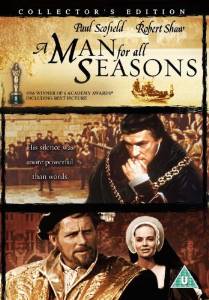 Oscar winning account of the conflict between Henry VIII and St Thomas
Moore. Paul Schofield is outstanding as Moore and script by Robert
Bolt is intelligent. Students may find the full film hard to concentrate
on, but there is an excellent scene in the jail near the end where
Moore's family try to persuade him to capitulate and be set free -
enough here for a few classes on morality, conscience and standing up for your
principles. This is followed by the dramatic courtroom scene which
should hold the students' attention big time. The execution scene follows directly but it is not graphic, and is useful in exploring issues of justice and forgiveness. Oscar winning account of the conflict between Henry VIII and St Thomas
Moore. Paul Schofield is outstanding as Moore and script by Robert
Bolt is intelligent. Students may find the full film hard to concentrate
on, but there is an excellent scene in the jail near the end where
Moore's family try to persuade him to capitulate and be set free -
enough here for a few classes on morality, conscience and standing up for your
principles. This is followed by the dramatic courtroom scene which
should hold the students' attention big time. The execution scene follows directly but it is not graphic, and is useful in exploring issues of justice and forgiveness. |
Mission,
The (1986)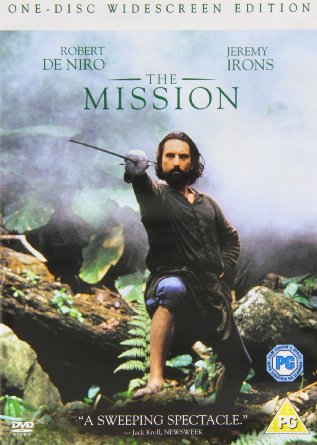 Another literate screenplay by Robert Bolt in this sweeping epic of
idealistic Jesuit missionaries in South America at the time of the
Conquistadores. I've seen the historical accuracy questioned on some
details, and the portrayal of the conniving Church authorities is
rather stereotyped, but Ray McAnally does humanise the Cardinal somewhat.
The main characters, played superbly by Jeremy Irons and Robert de
Niro are complex and fascinating. One of the best scenes for classroom
use, especially when dealing with the topic of reconciliation, is
early in the film when the priest (Irons) challenges de Niro's devastated
slave trader (he has killed his brother over a woman) to design a
fitting penance. This is followed by a beautiful sequence, mostly
visual, when he carries his burden, literally and metaphorically,
to the people he has enslaved. The full film is probably too long
for classroom use, the violence is quite strong and there is some
ethnic nudity. Another literate screenplay by Robert Bolt in this sweeping epic of
idealistic Jesuit missionaries in South America at the time of the
Conquistadores. I've seen the historical accuracy questioned on some
details, and the portrayal of the conniving Church authorities is
rather stereotyped, but Ray McAnally does humanise the Cardinal somewhat.
The main characters, played superbly by Jeremy Irons and Robert de
Niro are complex and fascinating. One of the best scenes for classroom
use, especially when dealing with the topic of reconciliation, is
early in the film when the priest (Irons) challenges de Niro's devastated
slave trader (he has killed his brother over a woman) to design a
fitting penance. This is followed by a beautiful sequence, mostly
visual, when he carries his burden, literally and metaphorically,
to the people he has enslaved. The full film is probably too long
for classroom use, the violence is quite strong and there is some
ethnic nudity. |
Of Gods and Men (2010)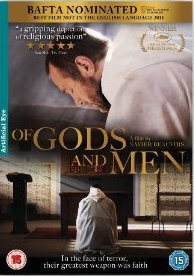 This is a wonderful film, with many useful clips for Religious Education. It tells the true story of a group of monks under threat from insurgents in North Africa. One scene features a meal - it
comes near enough to the end of the film when the monks are in serious peril. They have decided, despite the
danger, to stay on and serve the local community, largely Muslim. This scene is particularly powerful, especially if you have watched the
film up to this point so that you know the characters involved. Not a
word is spoken, but the scene is beautiful and emotional. The parallels
with the Last Supper are clear, and this clip is a wonderful resource
for classes on table fellowship. The
film has many other wonderful moments suitable for classes dealing with inter-faith
relations, sense of community, the religious life, ritual and more - another to look out for is the first visit of the insurgents to the monastery. Click here for Study Guide. This is a wonderful film, with many useful clips for Religious Education. It tells the true story of a group of monks under threat from insurgents in North Africa. One scene features a meal - it
comes near enough to the end of the film when the monks are in serious peril. They have decided, despite the
danger, to stay on and serve the local community, largely Muslim. This scene is particularly powerful, especially if you have watched the
film up to this point so that you know the characters involved. Not a
word is spoken, but the scene is beautiful and emotional. The parallels
with the Last Supper are clear, and this clip is a wonderful resource
for classes on table fellowship. The
film has many other wonderful moments suitable for classes dealing with inter-faith
relations, sense of community, the religious life, ritual and more - another to look out for is the first visit of the insurgents to the monastery. Click here for Study Guide. |
|
The
Passion of the Christ (2004) |
Raining
Stones (1994) 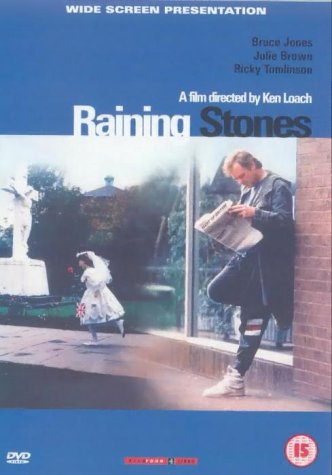 English film by campaigning director Ken Loach. This one features
an unemployed man's efforts to get the best outfit for his daughter's
First Communion, despite sensible advice to the contrary from his local priest,
played with genuine sympathy by Irish actor Tom Hickey. It's funny and poignant
by turns as the loving parent tries to maintain the family dignity.
Two scenes are striking - one where the father struggles to explain
the Eucharist to his daughter, and one where he goes to the priest for a late night
Confession. The film has an over-15 cert and there are a few F-Words,
but it's heart is in the right place. English film by campaigning director Ken Loach. This one features
an unemployed man's efforts to get the best outfit for his daughter's
First Communion, despite sensible advice to the contrary from his local priest,
played with genuine sympathy by Irish actor Tom Hickey. It's funny and poignant
by turns as the loving parent tries to maintain the family dignity.
Two scenes are striking - one where the father struggles to explain
the Eucharist to his daughter, and one where he goes to the priest for a late night
Confession. The film has an over-15 cert and there are a few F-Words,
but it's heart is in the right place. |
Romero
(1989)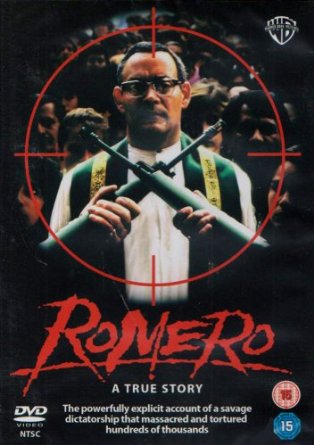 Earnest and effective biography of Bishop Oscar Romero of El Salvador. Raul
Julia is excellent in the title role, showing the bishop moving from
academic to concerned social reformer as he experiences first hand
the sufferings of his people. The secondary characters aren't as well
drawn, some being there merely to represent different points of view.
Two scenes of particular use in the classroom are when Romero comes
to retrieve the Eucharist from a church occupied by the military -
this is tense and shocking in a way; there's also the last few minutes
when we hear Romero speaking out against the repression on the radio
as the assassin prepares to kill him and does, as the Bishop is saying
Mass. The film has an over-15 cert which is about right. Earnest and effective biography of Bishop Oscar Romero of El Salvador. Raul
Julia is excellent in the title role, showing the bishop moving from
academic to concerned social reformer as he experiences first hand
the sufferings of his people. The secondary characters aren't as well
drawn, some being there merely to represent different points of view.
Two scenes of particular use in the classroom are when Romero comes
to retrieve the Eucharist from a church occupied by the military -
this is tense and shocking in a way; there's also the last few minutes
when we hear Romero speaking out against the repression on the radio
as the assassin prepares to kill him and does, as the Bishop is saying
Mass. The film has an over-15 cert which is about right. |
|
Sophie
Scholl: The Final Days (2005) |
Static
(1985) 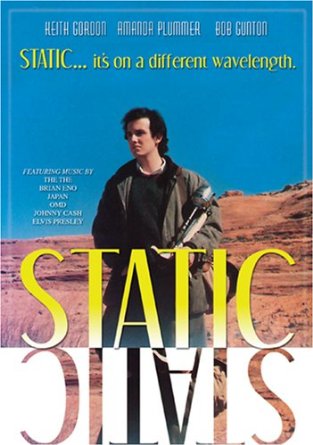 This is a weird one. Keith Gordon plays Ernie Blick, an imaginative
young inventor who claims to have invented a TV that can tune in Heaven.
He also collects distorted crucifixes from the crucifix factory where
he works! Food for discussion there. I've heard people claiming that
it's blasphemous and others accusing it of ramming religion down their
throats. It's certainly intriguing. The fact that it's hard to categorise
was illustrated when the merchandising for the video version sought
to portray it as science fiction, but it has been well received by
the critics. The tone is ambiguous - are we meant to take it all seriously
or is it just delicious irony? One of the best scenes for classroom
use is when Ernie reveals his invention to his friends and family
- the scene should hold students as it is rich in anticipation - we
don't know until this moment what the great invention is. It could
be a useful component in discussions on the afterlife, and it has
resonances of the Tower of Babel story. The relationship between Ernie
and a childhood friend (quirky but moving performance by Amanda Plummer)
is platonic but very warm. There are about two F-words and some minor
vulgarities in the film, which received an over-15 cert on video.
Director: Mark Romanek This is a weird one. Keith Gordon plays Ernie Blick, an imaginative
young inventor who claims to have invented a TV that can tune in Heaven.
He also collects distorted crucifixes from the crucifix factory where
he works! Food for discussion there. I've heard people claiming that
it's blasphemous and others accusing it of ramming religion down their
throats. It's certainly intriguing. The fact that it's hard to categorise
was illustrated when the merchandising for the video version sought
to portray it as science fiction, but it has been well received by
the critics. The tone is ambiguous - are we meant to take it all seriously
or is it just delicious irony? One of the best scenes for classroom
use is when Ernie reveals his invention to his friends and family
- the scene should hold students as it is rich in anticipation - we
don't know until this moment what the great invention is. It could
be a useful component in discussions on the afterlife, and it has
resonances of the Tower of Babel story. The relationship between Ernie
and a childhood friend (quirky but moving performance by Amanda Plummer)
is platonic but very warm. There are about two F-words and some minor
vulgarities in the film, which received an over-15 cert on video.
Director: Mark Romanek |
A
Walk to Remember (2002)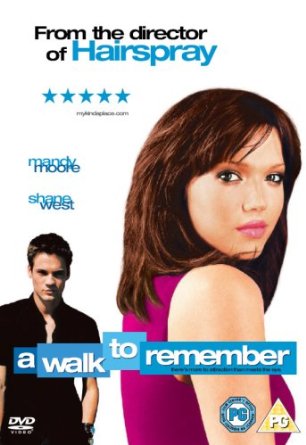 Here's a novelty - a trendy teen film whose heroine is genuinely religious.
The opening is dramatic and the film holds the attention with its
fine charaterisations. It is not overbearing in its positive messages
and that's not all that's going on. Apart from faith it deals with
relationships, school bullying, marriage and death. Hard to fault
though the ending is somewhat sentimental. Here's a novelty - a trendy teen film whose heroine is genuinely religious.
The opening is dramatic and the film holds the attention with its
fine charaterisations. It is not overbearing in its positive messages
and that's not all that's going on. Apart from faith it deals with
relationships, school bullying, marriage and death. Hard to fault
though the ending is somewhat sentimental. |
The Way (2010)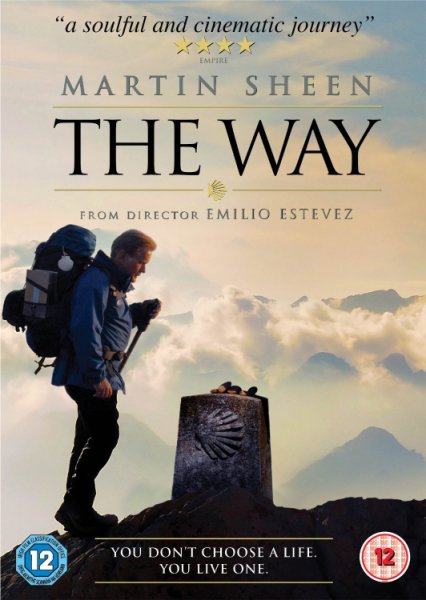 This film is about a father-son relationship and is set against the background
of the Camino de Santiago pilgrimage in Spain. Martin Sheen plays the
father, while his son Emilio Estevez plays the son, and also wrote and
directed. It is quite moving, challenging and thought provoking. Gradually
we get to know the Sheen character and the motley crew he meets up with.
It's a strongly human film, and its empathy with the characters is what
makes it involving and touching. The pilgrimage motif is a powerful one
- the journey through life, the baggage we carry apart from our backpacks,
the varying paths we take, the people we journey with. There are
some fine set pieces, and such scenes may well be useful in RE (see Study Guide) though
the full film is probably too long and leisurely for youngsters.
Some elements raise questions of suitability of the full film for young
viewers - in particular there's an ambiguous attitude to soft drug use.
Click here for Study Guide. This film is about a father-son relationship and is set against the background
of the Camino de Santiago pilgrimage in Spain. Martin Sheen plays the
father, while his son Emilio Estevez plays the son, and also wrote and
directed. It is quite moving, challenging and thought provoking. Gradually
we get to know the Sheen character and the motley crew he meets up with.
It's a strongly human film, and its empathy with the characters is what
makes it involving and touching. The pilgrimage motif is a powerful one
- the journey through life, the baggage we carry apart from our backpacks,
the varying paths we take, the people we journey with. There are
some fine set pieces, and such scenes may well be useful in RE (see Study Guide) though
the full film is probably too long and leisurely for youngsters.
Some elements raise questions of suitability of the full film for young
viewers - in particular there's an ambiguous attitude to soft drug use.
Click here for Study Guide. |
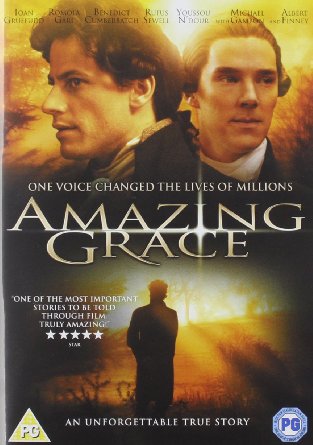 This
is an inspiring film that tells the story on the campaign to abolish
slavery in England, focussing on the efforts of William Wilberforce
to get an anti-slavery bill through Parliament. It moves slowly,
goes back and forward in time quite a bit, but still holds the attention.
There are so many clips that could be used in religion class, and
not just on slavery and justice issues. For example there's an early
sequence where Wilberforce tries to discern his vocation in life
- torn between the work of God and his political activities. Eventually
he believes he can do both by campaigning against slavery. Other
useful clips include a scene where he meets his mentor John Newton,
writer of the song Amazing Grace and a former slave ship
owner who is now haunted (metaphorically) by the ghosts of the slaves
he carried. The representation of slavery is not that graphic, but
there are descriptions in another early scene where a group of like
minded friends gather at table to discuss the issue with Wilberforce,
and later when some well off citizens are given a close quarters
experience of a slave ship. The scenes where he addresses parliament
should also be useful in holding students' attention and introducing
issues.
This
is an inspiring film that tells the story on the campaign to abolish
slavery in England, focussing on the efforts of William Wilberforce
to get an anti-slavery bill through Parliament. It moves slowly,
goes back and forward in time quite a bit, but still holds the attention.
There are so many clips that could be used in religion class, and
not just on slavery and justice issues. For example there's an early
sequence where Wilberforce tries to discern his vocation in life
- torn between the work of God and his political activities. Eventually
he believes he can do both by campaigning against slavery. Other
useful clips include a scene where he meets his mentor John Newton,
writer of the song Amazing Grace and a former slave ship
owner who is now haunted (metaphorically) by the ghosts of the slaves
he carried. The representation of slavery is not that graphic, but
there are descriptions in another early scene where a group of like
minded friends gather at table to discuss the issue with Wilberforce,
and later when some well off citizens are given a close quarters
experience of a slave ship. The scenes where he addresses parliament
should also be useful in holding students' attention and introducing
issues.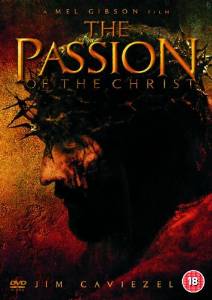 Mel Gibson's controversial portrayal of the Passion is one of the most striking and powerful films on the life of Jesus. Some will have qualms about showing the whole
film in a school context, even in senior classes, given the amount of intense violence. However, the opening scene
in the Garden of Gethsemane is quite artistic, is not graphic and should be useful to illustrate the themes
of temptation, prayer, trust. There's a Last Supper scene and some touching flashbacks to Jesus' youth. The scene where Simon helps helps Jesus carry the cross is also well done and useful for exploring themes of solidarity and love.
Mel Gibson's controversial portrayal of the Passion is one of the most striking and powerful films on the life of Jesus. Some will have qualms about showing the whole
film in a school context, even in senior classes, given the amount of intense violence. However, the opening scene
in the Garden of Gethsemane is quite artistic, is not graphic and should be useful to illustrate the themes
of temptation, prayer, trust. There's a Last Supper scene and some touching flashbacks to Jesus' youth. The scene where Simon helps helps Jesus carry the cross is also well done and useful for exploring themes of solidarity and love.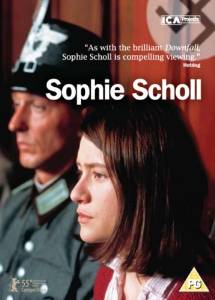 A striking, Oscar nominated film about a young student, motivated by her Christian faith,
campaigning against the Nazis in Munich, Germany during the Second World War. The religious
element is there, but subtly integrated. In German, with English
subtitles, it is riveting as we see her interrogated by the German
police, and all the more poignant as it is based on real events.
Julia Jentsch does a brilliant job in the main role. Despite the
setting there is no graphic violence, but there is plenty of tension.
One scene of particular use in class starts with Sophie praying
one night in prison, leading to the final scene with her interrogator where
issues relating to God, injustice and conscience are discussed. The film can be approached from the perspectives of religion, citizenship, history and study of the German language.
A striking, Oscar nominated film about a young student, motivated by her Christian faith,
campaigning against the Nazis in Munich, Germany during the Second World War. The religious
element is there, but subtly integrated. In German, with English
subtitles, it is riveting as we see her interrogated by the German
police, and all the more poignant as it is based on real events.
Julia Jentsch does a brilliant job in the main role. Despite the
setting there is no graphic violence, but there is plenty of tension.
One scene of particular use in class starts with Sophie praying
one night in prison, leading to the final scene with her interrogator where
issues relating to God, injustice and conscience are discussed. The film can be approached from the perspectives of religion, citizenship, history and study of the German language.